
VC investment trends are like the weather in a tropical paradise—constantly changing, a bit unpredictable, and always making you wonder if you should carry an umbrella or sunscreen. In the bustling world of venture capital, understanding these trends can mean the difference between riding the wave of innovation and getting swept away by the tide of competition.
With a keen eye on the industries that are raking in the dough, from tech to healthcare, and an ear to the ground for economic shifts, this exploration will guide you through the intriguing landscape where dollars and dreams collide.
VC Investment Trends Overview
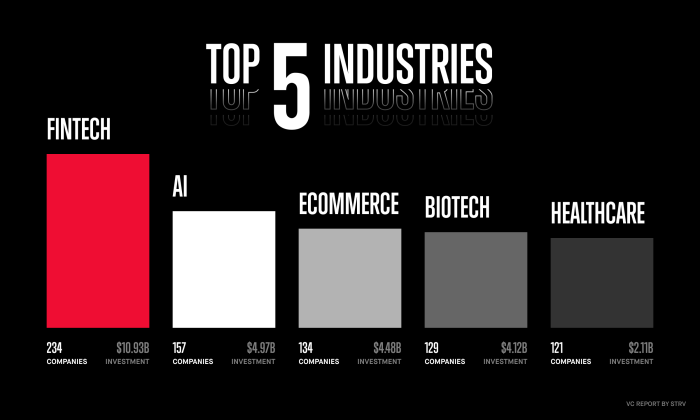
Venture capital is the proverbial golden goose of the startup world, laying the eggs of innovation and fancy new tech that we didn’t know we needed. As we dive into the current trends, we’ll see how the VC landscape is shifting, and which industries are snagging the lion’s share of that sweet investment pie.The current venture capital environment is characterized by a blend of cautious optimism and bold leaps into the great unknown.
Investors are now focusing on sectors that promise sustainability and technological advancement, with particular emphasis on health tech, fintech, and edtech. These industries are not only thriving but are also shaping the future of how we work, learn, and interact. The economic climate plays a crucial role in shaping these investment strategies, as inflation and interest rates can either pump the brakes or fuel the fire of investment enthusiasm.
Industries Receiving the Most Funding
The ever-evolving landscape of venture capital has led to some industries consistently catching the eye of investors. Here’s a closer look at these moneymakers:
- Health Tech: With a growing emphasis on telemedicine and wearable health devices, health tech is stealing the spotlight. Investors see the potential for life-saving innovations and are eager to back startups that can revolutionize patient care.
- Fintech: Financial technology continues to disrupt traditional banking systems with innovative solutions like blockchain and peer-to-peer lending. Investors are excited about companies that simplify financial transactions and provide access to underserved populations.
- Edtech: As education increasingly shifts online, startups offering engaging learning platforms are on the rise. The pandemic accelerated the adoption of digital learning tools, making it a hot area for investment.
- Sustainability Tech: With climate change becoming a pressing global issue, startups that focus on renewable energy and sustainable practices are attracting significant funding. Investors are keen to back companies that contribute positively to the planet.
The financial climate has a dramatic influence on these sectors, as investors are often swayed by economic factors, including inflation and interest rates. A bullish economy typically encourages more aggressive investments, while a bearish environment may lead investors to prioritize sectors seen as recession-proof or essential.
“In the world of venture capital, the key to success often lies in identifying trends before they blossom into full-fledged industries.”
By keeping an eye on these trends and understanding the economic undercurrents that shape them, investors can strategically position themselves to seize the opportunities that arise from the ever-changing landscape of venture capital.
Impact on Solo Professionals
In a world where venture capitalists are like high-stakes poker players with a penchant for risk and innovation, solo professionals and freelancers are finding themselves at the table too—sometimes as the chips, but often as the players! The trends in VC investment are reshaping the landscape, offering both opportunities and challenges for those accustomed to doing it all solo. The VC investment landscape is evolving rapidly, influencing various sectors and pushing solo professionals to adapt their game plan.
For instance, with a surge in health tech and remote working solutions, freelancers with expertise in these areas are enjoying a golden age. From telehealth consultants to digital marketing gurus for remote platforms, the opportunities are vast. However, this influx of cash and competition means that solo professionals must be prepared to hustle harder than a cat in a room full of rocking chairs.
Opportunities in Emerging Market Sectors
Emerging market sectors present a buffet of opportunities for solo professionals, especially those willing to embrace new technologies and trends. The following industries are ripe for solo innovators ready to dive in and whip up something special:
- Health Tech: With the explosion of telehealth services, solo practitioners in health and wellness can leverage VC-backed platforms to offer their expertise online. Think yoga instructors giving virtual classes or nutritionists providing personalized meal plans via apps.
- EdTech: Education is no longer confined to classrooms. Freelancers who specialize in creating engaging online courses or tutoring services are in high demand, backed by VC dollars that fuel learning platforms.
- Green Tech: Sustainability is sexy! Freelance consultants helping businesses go green or offering eco-friendly products are riding the wave of VC interest in environmental solutions.
- Remote Work Solutions: As companies continue to embrace remote working, solo professionals can capitalize on this trend by providing tools or services that enhance virtual collaboration.
Solo professionals stand to gain tremendously, but with great opportunity comes even greater responsibility. In a VC-driven economy, the risks and rewards must be carefully weighed.
Risks and Rewards of VC-Driven Economy
While the allure of venture capital is often likened to winning the lottery, it comes with its own set of red flags. Solo professionals must navigate this landscape with both caution and creativity. The rewards can be compelling. Take, for example, a graphic designer who partners with a VC-backed startup for branding. With access to funding, they can showcase their work to a wider audience and potentially secure long-term contracts.
However, the risks are equally significant. The pressure to deliver results quickly can lead to burnout, especially for those who thrive on flexibility. Additionally, the competition is stiffer than a vegan at a barbecue. As more solo professionals flood into these hot sectors, standing out without breaking the bank becomes a critical challenge.
“Success in a VC-driven economy requires a cocktail of creativity, strategic risk-taking, and a sprinkle of good luck!”
Navigating the impact of venture capital trends means understanding both sides of the coin—finding ways to seize opportunities while managing the inherent risks. For solo professionals, the key lies in staying adaptable, innovative, and most importantly, keeping that entrepreneurial spark alive.
Strategic Planning for VC Investments
Strategic planning in venture capital is akin to charting a course through uncharted waters, where the compass is your vision and the map is your strategy. In a world where startups rise and fall faster than a cat meme goes viral, having a robust strategic plan is essential for navigating the turbulent tides of investment. Let’s dive into the essential components of this critical process, ensuring you’re not just floating but sailing smoothly towards success.
Essential Components of Strategic Planning in Venture Capital
When it comes to strategic planning, certain components are crucial for sifting through the endless sea of startups. Think of these components as your trusty toolkit—each tool designed to help you assess, evaluate, and ultimately invest in the next big thing.
- Market Analysis: Understanding the market landscape is like knowing which way the wind is blowing. Analyze trends, customer needs, and competitive dynamics to identify potential opportunities.
- Investment Thesis: This is your guiding star. Clearly define what types of startups align with your values, risk appetite, and financial goals. It sets the tone for your entire investment strategy.
- Risk Assessment: Every venture comes with risks; it’s like playing poker but without the bluffing. Identify and evaluate potential risks associated with investments, from market volatility to management issues.
- Financial Projections: Numbers don’t lie (unless they’re accounting jokes). Develop robust financial models to predict returns and understand the financial health of potential investments.
Framework for Assessing Potential Startups and Business Models
Navigating through potential startups can feel like searching for a needle in a haystack. Fear not! Having a framework simplifies this task significantly. Picture it as your investment GPS, helping you avoid detours and dead ends.
- Value Proposition: Assess whether the startup solves a real problem or fulfills a genuine need. A compelling value proposition is the heart of a successful business model.
- Scalability: Determine whether the business model can grow with demand. A startup that can scale is like a balloon—expandable and full of potential!
- Team Evaluation: The team is like the engine of a car; without a good one, you’re not going anywhere. Assess their experience, skill set, and commitment to the vision.
- Market Validation: Look for evidence that customers are eager for the product. A startup with early adopters is like gold at the end of a rainbow.
Guide for Effective Team Building in VC Investment Firms
Building a stellar team in a venture capital firm is akin to assembling the Avengers—each member must bring their unique powers to the table. A cohesive and dynamic team can make the difference between a successful investment and a total flop.
- Diversity of Expertise: Assemble a mix of backgrounds and skills. A diverse team brings different perspectives, which is crucial for creative problem-solving.
- Clear Roles and Responsibilities: Ensure that everyone knows their mission, like how Thor knows his hammer duties. Clarity fosters accountability and efficiency.
- Open Communication: Foster an environment where ideas flow freely. Regular meetings and brainstorming sessions are essential for keeping the team aligned and motivated.
- Continuous Learning: Encourage team members to keep evolving, whether through workshops or industry conferences. A team that learns together, grows together!
Communication Strategies in VC Environments
Effective communication is the backbone of successful venture capital (VC) collaborations. It’s not just about exchanging information; it’s about crafting a narrative that resonates with all stakeholders. Picture a finely tuned orchestra, where each musician knows their part and the conductor (that’s you!) brings them all together for a harmonious output. In the high-stakes world of VC, clear and engaging communication can mean the difference between a thriving portfolio and a missed opportunity lurking in the shadows.
Effective Workplace Communication Methods for VC Teams
In the whirlwind of venture capital, where numbers dance and ideas fly at the speed of light, having robust communication methods is paramount. VC teams often juggle multiple portfolio companies, and thus effective messaging can save time and sanity. Here are some methods that can keep the lines of communication open and flowing like a river on a sunny day:
- Regular Stand-Up Meetings: Short, snappy daily or weekly check-ins keep everyone aligned. They’re like espresso shots for your team: quick, energizing, and essential for productivity.
- Collaborative Platforms: Utilize tools like Slack or Microsoft Teams for real-time conversations. This isn’t just chat; it’s the digital water cooler where genius ideas can bubble up (but no one likes the water that’s been sitting too long!).
- Transparent Reporting: Regular updates on portfolio performance should be as clear as your morning coffee. Use dashboards and infographics to make the numbers speak (or at least whisper) to your audience.
Improving Communication Between Venture Capitalists and Portfolio Companies
The relationship between VCs and their portfolio companies can often be likened to a dance—sometimes graceful, sometimes stepping on toes. To turn a clumsy two-step into a smooth tango, communication strategies must evolve. Here’s a plan that can help bridge the gap between venture capitalists and their investments:
- Scheduled Check-Ins: Monthly meetings are crucial for gauging progress and addressing concerns. These sessions should feel less like a dentist appointment and more like a coffee with a friend—light, constructive, and filled with insights.
- Feedback Mechanisms: Establishing a culture of feedback ensures that both VCs and portfolio companies can express their thoughts openly. Consider anonymous surveys; they can be your trusty sidekick in discovering hidden gems of insight.
- Knowledge Sharing Sessions: Organize workshops where both parties can exchange expertise and experiences. This not only builds relationships but also enhances the collective intelligence of the ecosystem.
Checklist for Ensuring Workplace Safety in High-Pressure VC Settings
In the high-octane world of venture capital, stress levels can skyrocket, making it essential to establish a safety net that protects both mental health and physical well-being. Here’s a checklist to ensure that your VC environment remains as safe as a well-guarded treasure chest:
- Establish Clear Work Hours: Encourage work-life balance to foster a healthier mindset. After all, you can’t draft the next unicorn if you’re burnt out!
- Implement Stress-Relief Activities: Activities like yoga or meditation can be lifesavers. Picture a room full of venture capitalists in downward dog—now that’s a sight!
- Create Open Lines for Reporting Issues: Develop a no-judgment zone where employees can voice concerns regarding workplace pressure. Think of it as a safety net—nobody wants to fall without one.
- Provide Mental Health Resources: Ensure access to counseling services or mental health days. Because sometimes, even the toughest entrepreneurs need a little TLC!
Outcome Summary
As we wrap up our rollercoaster ride through VC investment trends, remember that while the financial landscape may be rife with opportunity, it’s also a jungle of risks. By staying informed and agile, solo professionals and startups alike can navigate this thrilling arena, turning potential pitfalls into stepping stones for success. Now, who’s ready to grab their surfboards and ride the next big wave?
Answers to Common Questions
What are the most popular industries for VC investments?
Tech, healthcare, and renewable energy are currently leading the charge, with investors flocking to innovative solutions and sustainable practices.
How do economic downturns affect VC funding?
During tough economic times, VC firms may become more cautious, focusing on proven business models and essential services rather than high-risk startups.
Can solo professionals benefit from VC trends?
Absolutely! Emerging sectors often present lucrative opportunities for freelancers and solo entrepreneurs willing to adapt and innovate.
What role does communication play in VC investment?
Clear and effective communication is crucial for aligning objectives and ensuring that all parties are on the same page, particularly in high-stakes environments.
How do VC firms assess startups?
VC firms typically evaluate startups based on their business model, market potential, team strength, and scalability, creating a thorough framework for investment decisions.


